The short answer
A heat pump installation replaces separate heating and cooling equipment with one electric system that handles both, and it works well in Los Angeles' mild climate. We inspect your home, ductwork, and electrical service first, then explain whether repairing your current equipment or installing a heat pump makes more sense for your house.
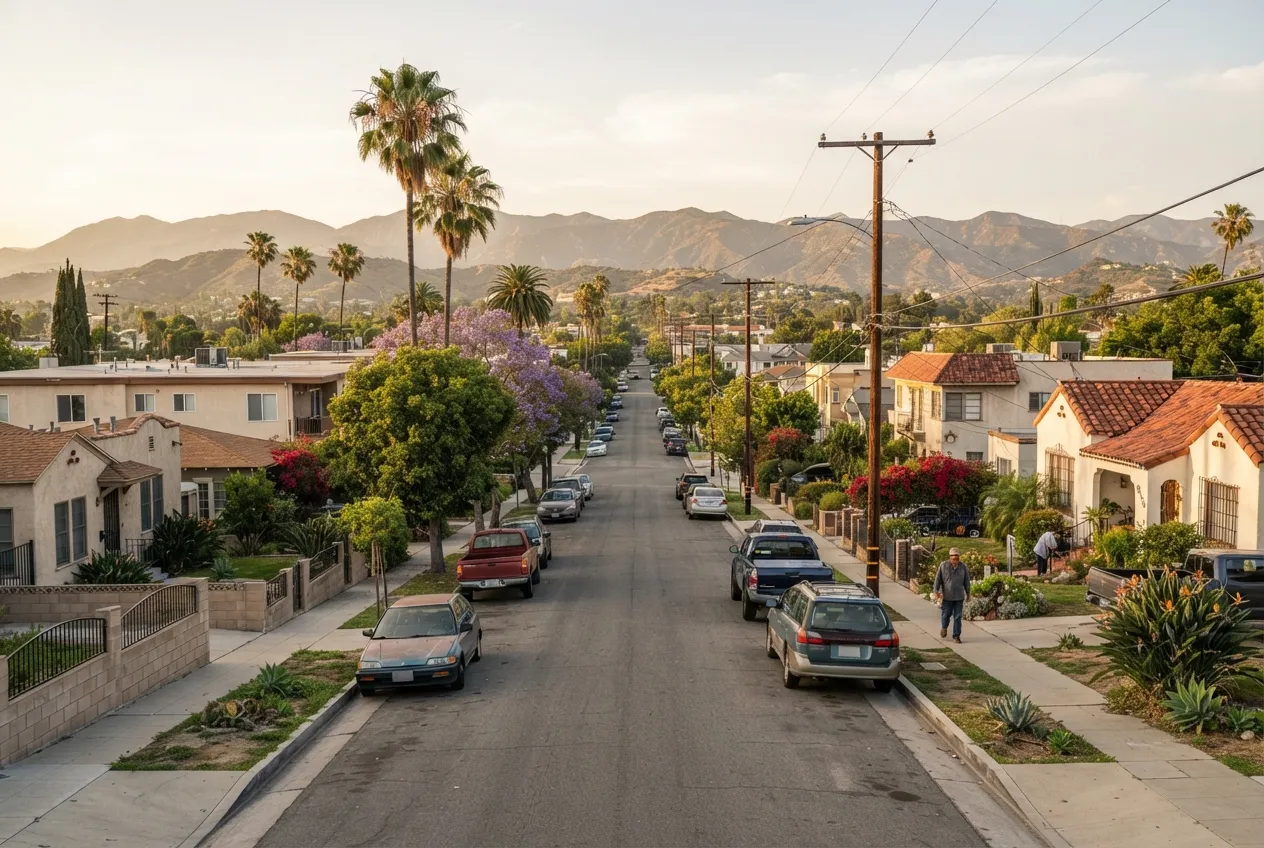
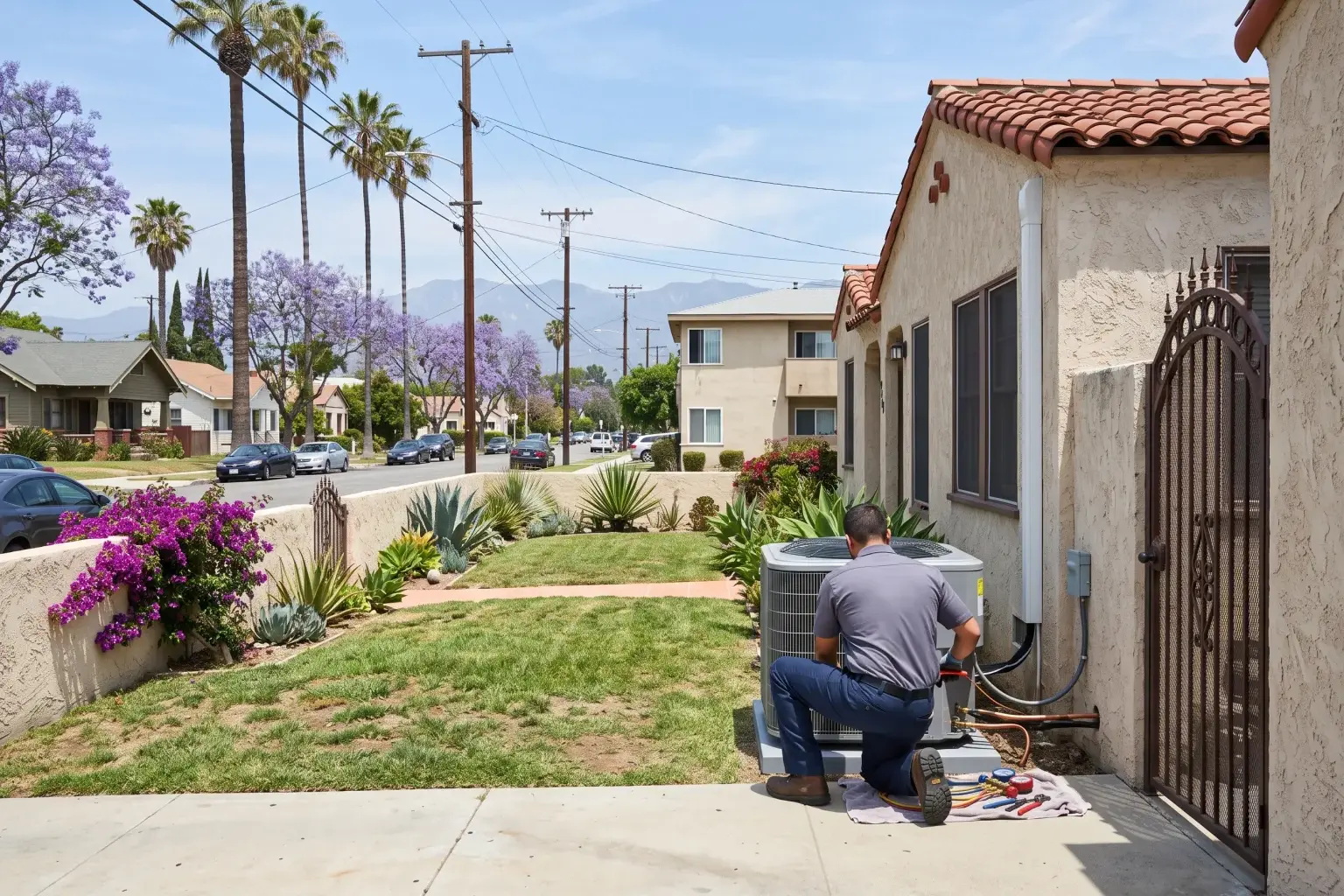
A heat pump heats and cools your home with one system. Instead of burning fuel, it moves heat into your house in winter and out of it in summer. That suits the Los Angeles climate well: dry summers that call for steady cooling, and mild winters that rarely push a heat pump outside its comfortable working range. Liberty HVAC Services installs heat pumps in Los Angeles and nearby cities, whether you're replacing a tired air conditioner, retiring a gas furnace, or trying to fix rooms that never felt comfortable. This page covers how to tell when a heat pump makes sense, what we inspect before recommending one, how we approach repair versus replacement, what drives the cost, and what happens during a visit.
Signs It May Be Time for a Heat Pump
Most people start thinking about a heat pump when something they already own starts letting them down. In Los Angeles, that often happens during a summer heat wave in the valleys or a hot, dry Santa Ana spell in the fall, when an older air conditioner runs nonstop and still can't keep up.
These are common reasons homeowners call us about a heat pump:
- Your air conditioner or furnace needs a major repair, and the system is already near the end of its service life
- Some rooms stay noticeably hotter or colder than the rest of the house
- Your cooling bills climb every summer even though your habits haven't changed
- You want to stop relying on a gas furnace for the few cold weeks of the year
- Your current system is noisy, short-cycles, or needs repeated refrigerant top-offs
- You're remodeling, adding a room, or converting a garage and need heating and cooling there
What We Check Before Recommending a System
A heat pump only performs well if it's matched to the house. Before we suggest equipment, we look at how your home actually gains and loses heat. A sunny, west-facing room in an inland neighborhood needs different treatment than a shaded bedroom a few miles from the coast.
During the assessment we check:
- The size, layout, insulation, windows, and sun exposure of your home, so the system is sized to the space instead of guessed from the old unit
- The condition of your ductwork, including leaks, crushed runs, and undersized returns
- Your electrical panel and available capacity, since a heat pump may need a new or upgraded circuit
- Where the outdoor unit can sit with good airflow, reasonable noise levels, and safe service access
- The age and condition of your existing furnace, air handler, and thermostat
- Whether a ducted system, a ductless mini-split, or a combination fits your home best
Repair or Replace: How We Help You Decide
Not every problem calls for new equipment. If your current air conditioner or heat pump is in reasonable shape and the issue is a failed capacitor, a clogged drain line, or a faulty thermostat, a repair is usually the sensible choice, and we'll tell you so.
Replacement starts to make more sense when the system is older, the repair involves a major component like the compressor or coil, breakdowns keep happening, or the equipment uses a refrigerant that is being phased out. If you have a gas furnace that's failing, it's also a natural point to consider switching to a heat pump instead of installing another furnace.
If you're leaning toward a new furnace, keep in mind that South Coast AQMD Rule 1111 limits NOx emissions from natural-gas central furnaces sold and installed in the Los Angeles region, and the district has been amending it toward zero-emission requirements. The district sets and revises the compliance dates, so check the current rule before you decide. We'll lay out each option, explain the tradeoffs plainly, and let you choose.
What Affects the Cost of a Heat Pump Installation
Every installation is priced based on the home, which is why we quote after an in-person assessment rather than over the phone. The main factors are:
- System type: a central ducted heat pump, a ductless mini-split, or a mix of both
- Capacity and efficiency: larger systems and higher SEER2 and HSPF2 ratings generally cost more upfront but can lower operating costs
- Ductwork: whether existing ducts can be reused, need sealing or resizing, or must be added
- Electrical work: panel upgrades, new circuits, or disconnects if the current service can't support the equipment
- Indoor equipment: whether your air handler or furnace can stay or needs replacing
- Installation conditions: tight attics, crawlspaces, rooftop placement, or long line-set runs
- Removal and disposal of old equipment and refrigerant
- Permits and inspections required by your city
Rebates and Incentives to Know About
If your home is served by LADWP, you can apply for a Consumer Rebate Program rebate on a qualifying heat pump HVAC system. The amount depends on the unit's SEER2 and HSPF2 ratings, and the application is filed after the equipment is purchased and installed, within 12 months of purchase.
Many homes outside the City of Los Angeles are served by Southern California Edison instead, so the rebates available to you depend on which utility serves your address. We confirm the current offer before we include it in a quote. One change to note: the federal Energy Efficient Home Improvement Credit (25C) covered qualifying heat pumps placed in service before December 31, 2025, and it is not available for new installations after that date.
How a Visit Works
When you contact us, we'll ask a few questions about your home, your current system, and what isn't working, then schedule a time for a technician to come out.
At the visit, the technician walks through the house, inspects your existing equipment, ductwork, and electrical panel, and takes the measurements needed to size a system properly. You'll get a clear explanation of what we found and your options, including repair if it makes sense.
If you choose to install a heat pump, we'll schedule the work, handle permits, remove the old equipment, install and connect the new system, and test it in both heating and cooling modes. Before we leave, we show you how to use the thermostat, change filters, and keep the outdoor unit clear, and we give you the model information you'll need for any rebate application.
Heat Pump Installation by city
- Heat Pump Installation in West Hollywood
- Heat Pump Installation in Beverly Hills
- Heat Pump Installation in Culver City
- Heat Pump Installation in Inglewood
- Heat Pump Installation in Santa Monica
- Heat Pump Installation in Hawthorne
- Heat Pump Installation in Vernon
- Heat Pump Installation in Huntington Park
- Heat Pump Installation in El Segundo
- Heat Pump Installation in Burbank
- Heat Pump Installation in Manhattan Beach
- Heat Pump Installation in Maywood