The short answer
Liberty HVAC Services repairs gas furnaces in Burbank homes in ZIP codes 91501, 91502, 91504, 91505, and 91506. We diagnose problems such as no heat, short cycling, ignition failures, and blower issues, then explain your repair options before any work starts. If your furnace is near the end of its life, we'll also walk you through replacement rules and rebate questions that apply to your address.
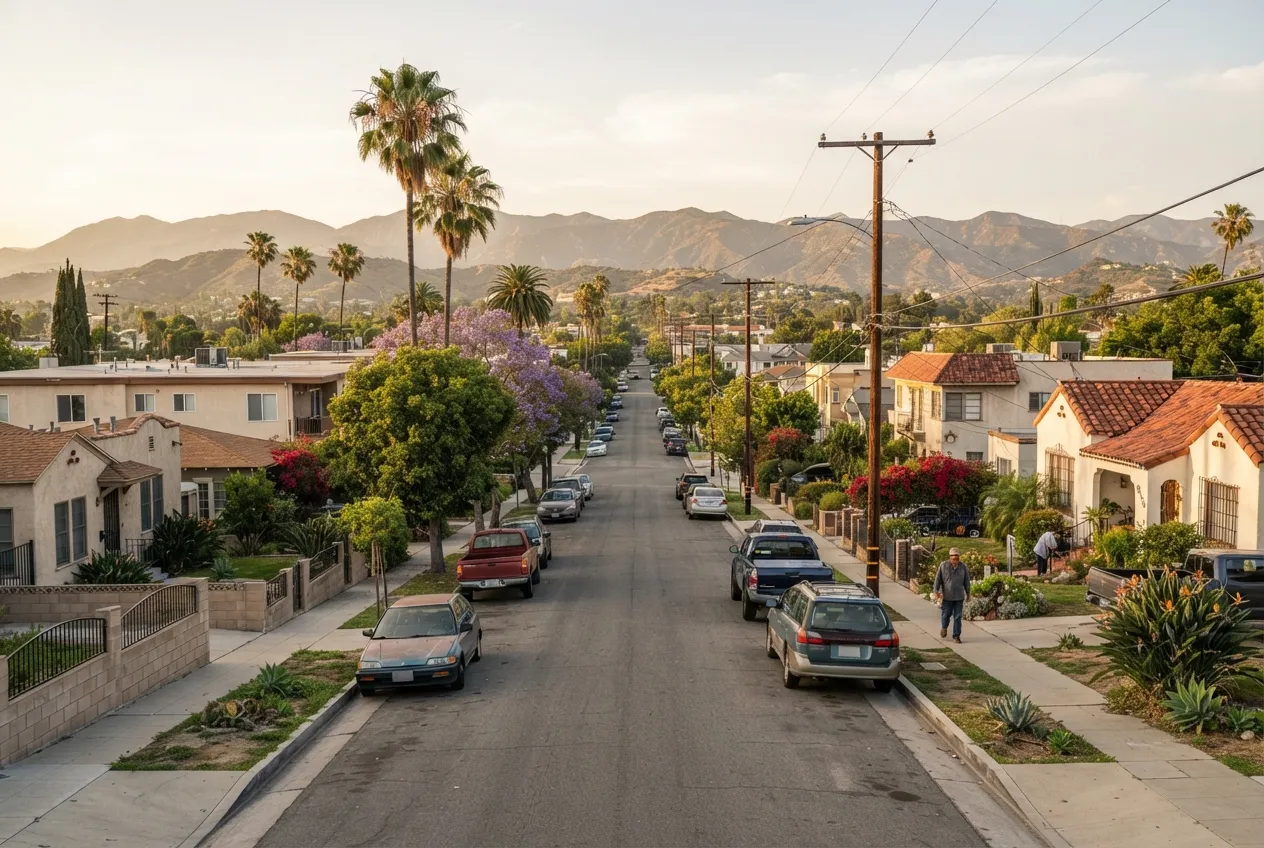
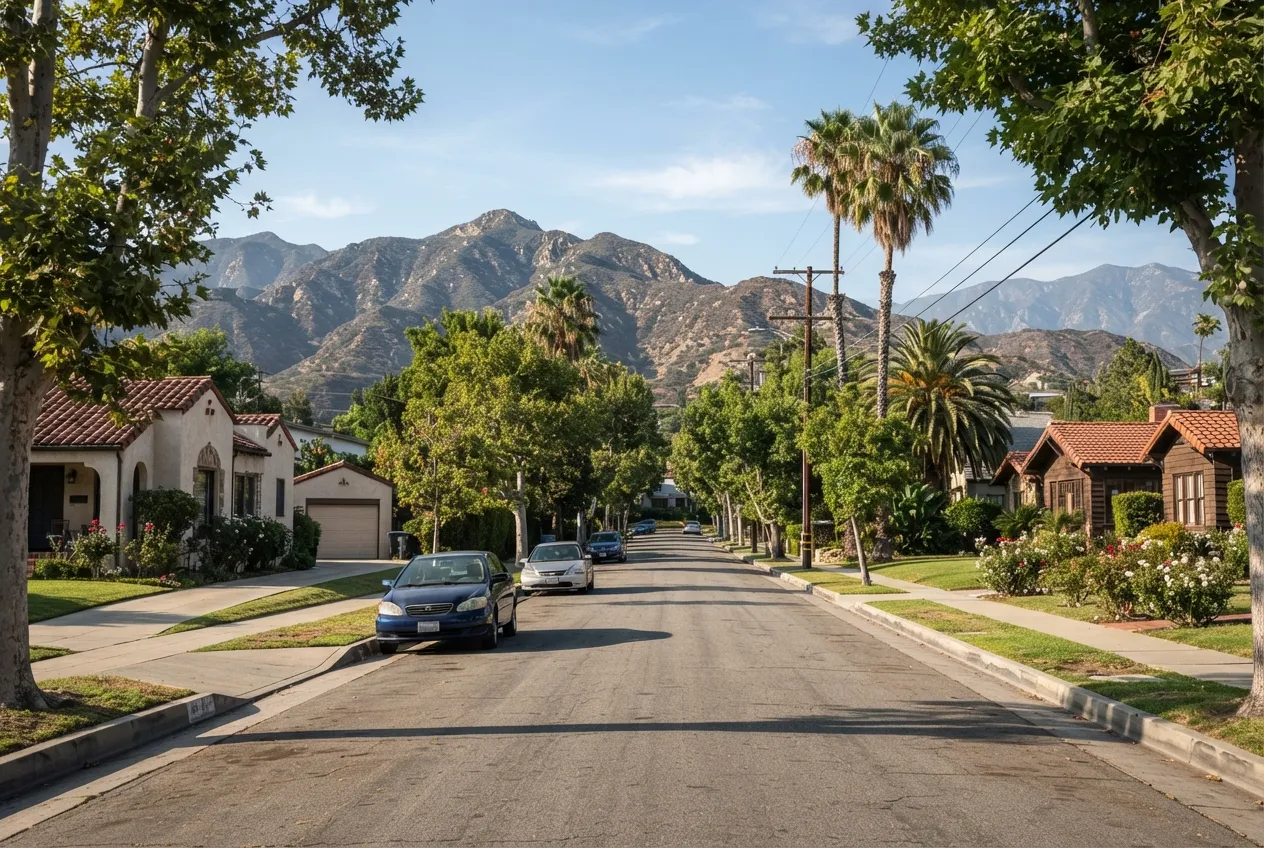
Burbank winters are mild, so most furnaces here sit idle for months and then get switched on during the first cold night of fall. That long rest is often when problems show up: a dusty burner that won't light, a blower that hums but doesn't move air, or a system that runs and runs without warming the house. Liberty HVAC Services repairs gas furnaces and the heating side of central systems for homeowners across Burbank, about 10 miles north of our Los Angeles base. We find what's actually wrong, explain it in plain terms, and fix it so your home is comfortable again.
Common Furnace Problems in Burbank Homes
Because heating season in Burbank is short, furnaces here tend to fail from sitting unused rather than from heavy wear. Dust builds up on burners and flame sensors over the summer, filters get forgotten, and small electrical issues go unnoticed until the heat is needed. Burbank sits inland, where summers run much hotter than near the coast, and some homes put furnaces in attics or garages where that heat can be hard on wiring and controls.
These are the issues we're called about most often:
- Furnace runs but blows cool or lukewarm air
- Burner lights briefly, then shuts off (often a dirty flame sensor)
- No ignition at all, or repeated clicking without a flame
- Furnace turns on and off in short cycles
- Blower won't start, or runs constantly
- Burning smell that lasts more than the first few minutes of the season
- Loud banging, rattling, or squealing from the cabinet
- Thermostat calls for heat but nothing happens
What Happens During a Furnace Repair Visit
We start by asking what you've noticed: when the problem began, what the furnace sounds like, and whether anything has changed recently. Then we check the system step by step, including the thermostat, power and gas supply, ignition sequence, flame sensor, limit and pressure switches, blower motor, filter, and venting.
Once we've found the cause, we tell you what's wrong and what it will take to fix it before we do the work. Many furnace problems are straightforward, like a failed igniter, a dirty sensor, or a clogged filter that's tripping a safety switch. If we find something that affects safety, such as a damaged heat exchanger or a venting problem, we'll show you what we found and explain why it matters.
Repair or Replace? What Burbank Homeowners Should Know
A repair is usually the right call when the furnace is otherwise sound and the part that failed is a common one. Replacement makes more sense when repairs keep coming back, key components are wearing out at the same time, or there's a safety issue that can't be reasonably fixed. We'll give you an honest view either way.
If you're considering a new gas furnace, know that South Coast AQMD Rule 1111 limits nitrogen oxide emissions from natural-gas fan-type central furnaces sold and installed in the Los Angeles region. The district has been amending the rule toward zero-emission requirements and sets and revises the compliance dates, so it's worth checking the current rule before you plan a replacement.
Some homeowners use a furnace failure as the moment to look at a heat pump, which handles both heating and cooling. Rebates for qualifying equipment depend on which utility serves your address, so we confirm the current offer before quoting it. The federal Energy Efficient Home Improvement Credit (25C) covered qualifying heat pumps placed in service before December 31, 2025, and isn't available for new installations after that date.
Safety Comes First
If you smell gas, leave the house and contact your gas utility or emergency services from outside. Don't flip switches or try to relight the furnace yourself. If a carbon monoxide alarm sounds, get everyone outside and call for help.
For less urgent issues, a few simple checks can save time: make sure the thermostat is set to heat, replace a dirty filter, confirm the furnace switch is on, and check that the breaker hasn't tripped. If the furnace still won't heat, it's time to schedule a repair.
Furnace Repair Across Burbank and Nearby
We serve homes throughout Burbank, including ZIP codes 91501, 91502, 91504, 91505, and 91506, in Los Angeles County. We also handle furnace repair in nearby communities, including West Hollywood, Beverly Hills, Culver City, Vernon, and Santa Monica.
More services in Burbank
- AC Repair in Burbank
- Heating Repair in Burbank
- Heat Pump Installation in Burbank
- AC Installation in Burbank